
真菌处理碳酸盐砂的温度依赖性行为与微观结构特征研究,环境三轴

近日,武汉岩土所课题组在岩土工程学术期刊Canadian Geotechnical Journal网络首发了题为“Temperature-dependent behaviour and microstructure of fungus-treated carbonate sand”(真菌处理碳酸盐砂的温度依赖性行为与微观结构特征研究)的学术文章。本文通过20–50 °C三轴试验,揭示平菇菌丝-麦麸-碳酸盐砂的温敏力学演化:高温促菌丝收缩融合,黏结桥致密化,强度增20%,行为由黏结转向摩擦,为热带-海岸低碳地基加固提供新思路。
https://cdnsciencepub.com/doi/10.1139/cgj-2025-0411
*论文版权归原作者和出版方所有,本文仅为学习交流。
以下是对这项成果的简要介绍:
论文摘要
本研究探讨了一种利用真菌菌丝对碳酸盐砂进行生物介导加固的技术,重点考察其在高温条件下的温度依赖性力学性能。试样由平菇(Pleurotus ostreatus)、麦麸和碳酸盐砂组成,分别在20 °C、35 °C和50 °C下进行不排水三轴剪切试验。研究还分析了其微观结构机制,以解释强度行为的热响应。
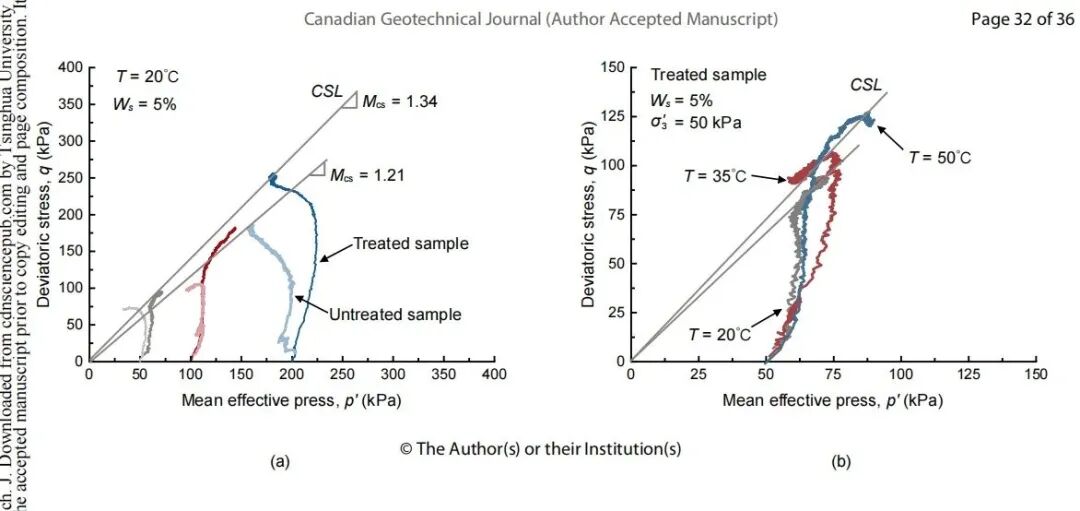
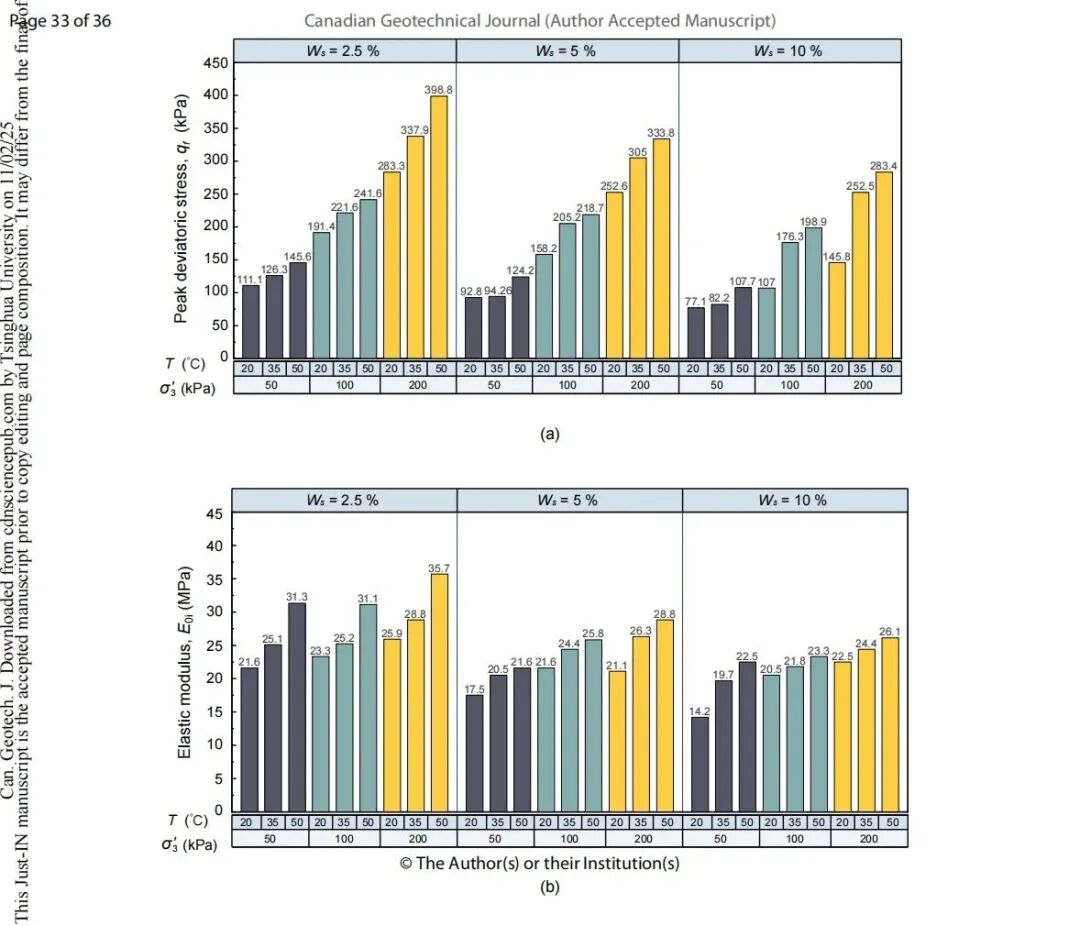
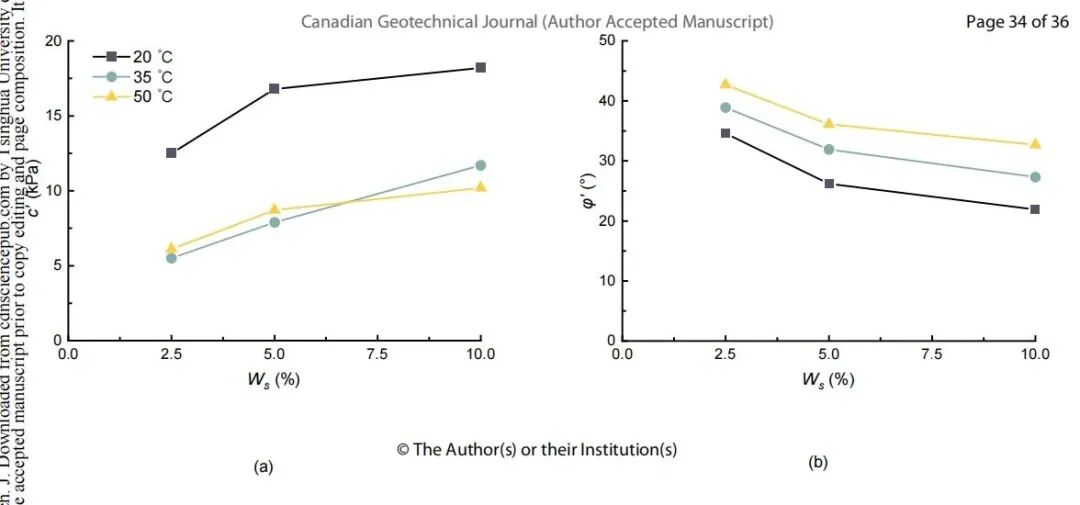
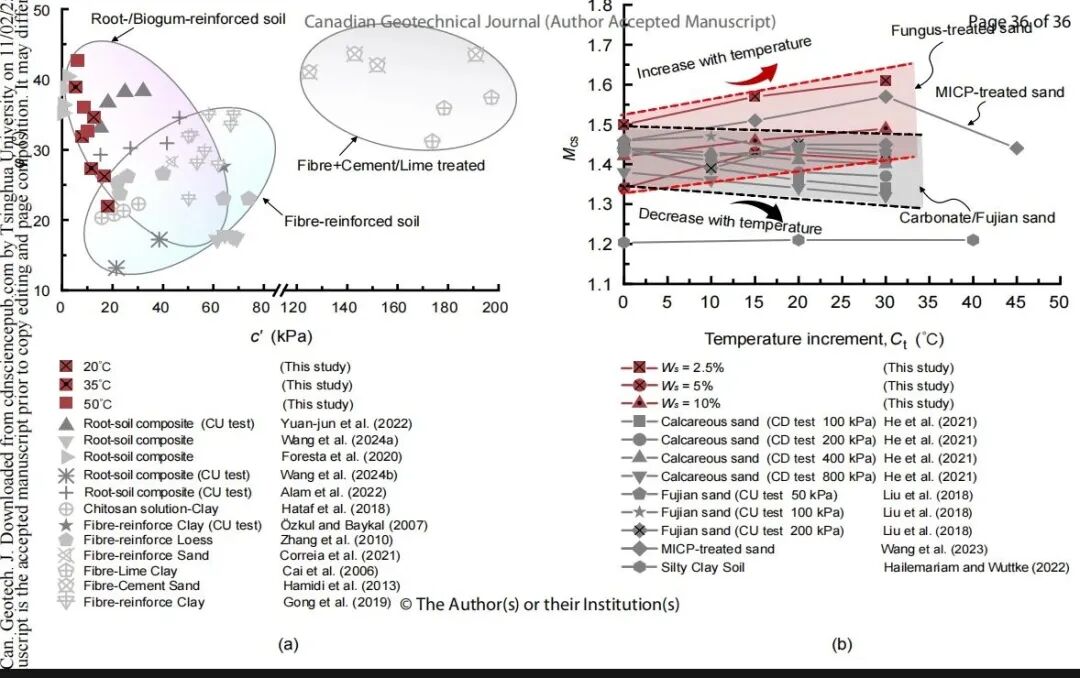
结果表明,真菌处理显著提高了剪切强度,并在剪切过程中减少了孔隙水压力的积累。随着温度升高,试样的力学响应由应变硬化转变为应变软化,峰值强度和刚度提高了约20%。温度升高导致强度参数中黏聚力降低、内摩擦角增大,表明其力学行为由以黏结作用为主转变为以摩擦作用为主。
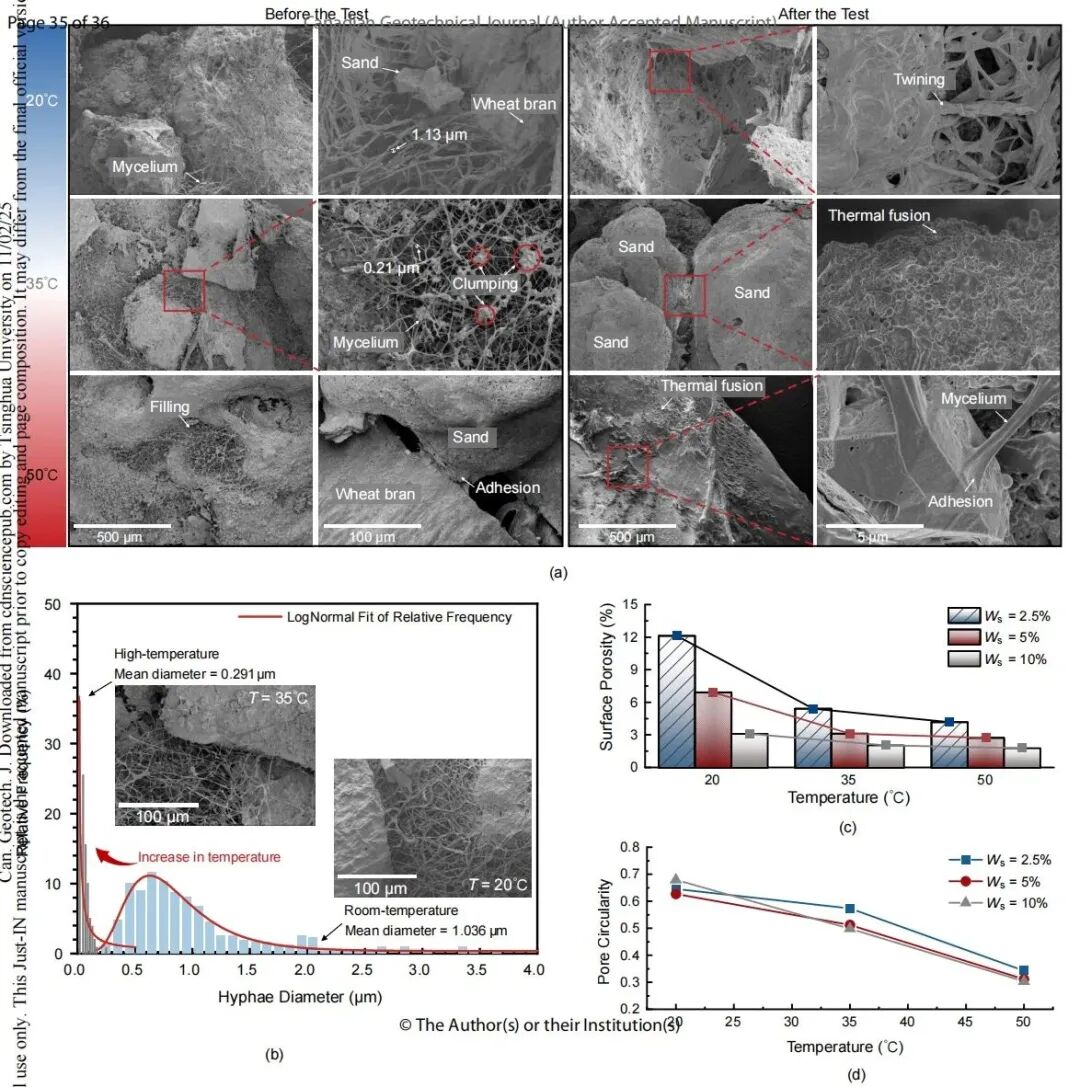
热暴露引起菌丝收缩与融合,通过形成黏结桥增强颗粒间连接。这些变化使表面孔隙率和孔隙圆度降低超过50%,促进了基质的致密化和稳定性提升。研究结果表明,真菌菌丝可实现具有热稳定性的低碳地基加固,尤其适用于热带、沿海及富碳酸盐地区。
试验设备
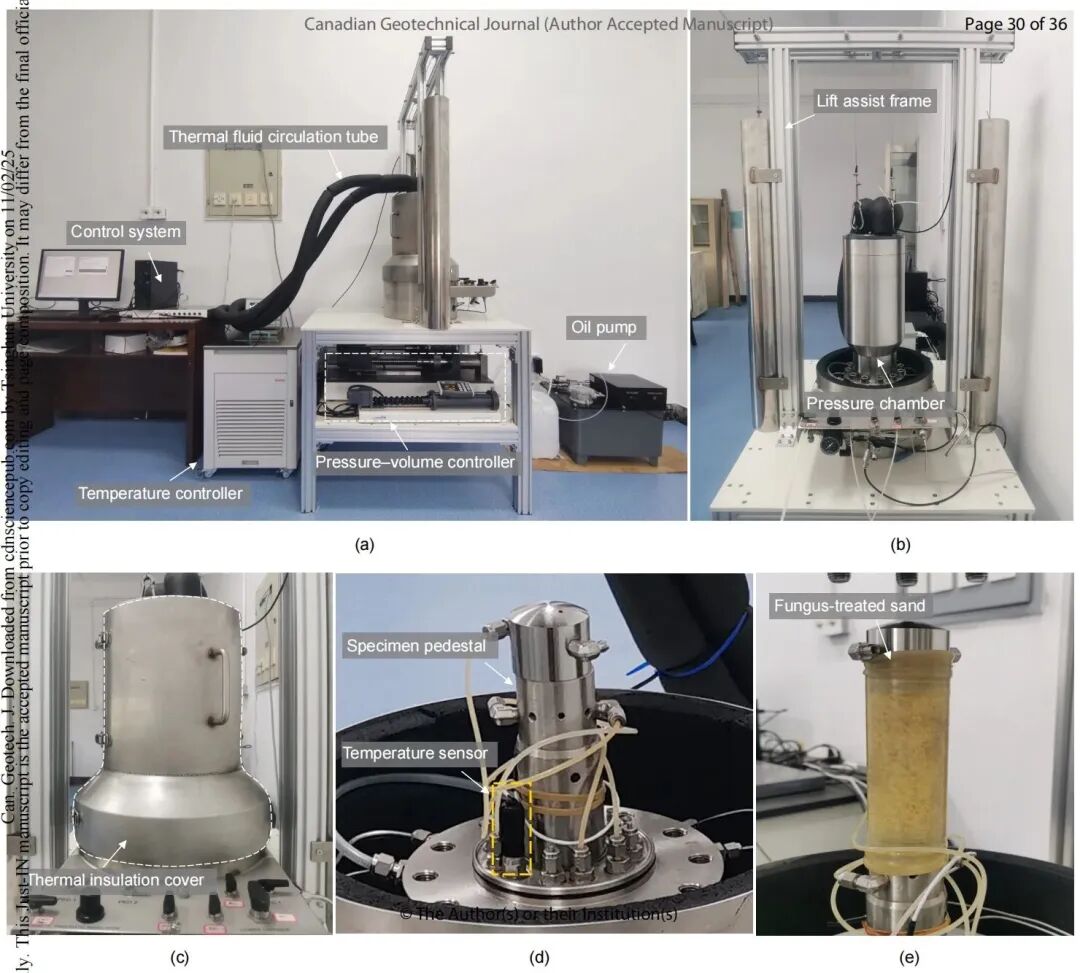
本研究使用了GDS 自动环境三轴试验系统 ETTS等设备。
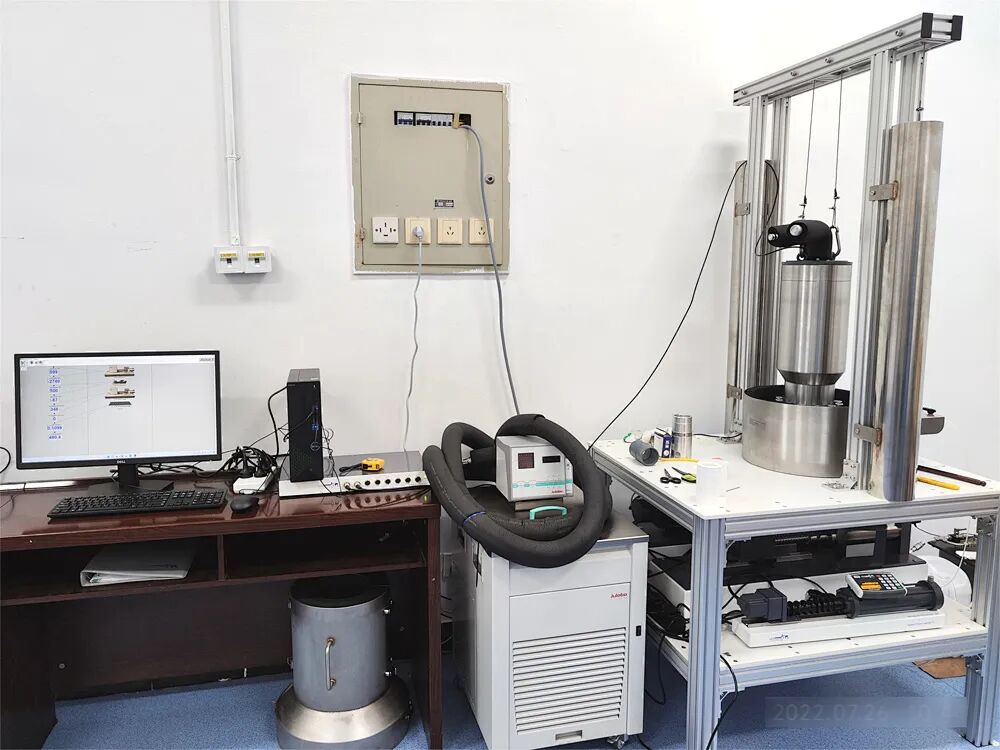
GDS 自动环境三轴试验系统 ETTS
自动环境三轴试验系统(ETTS),是一个带温度控制的应力路径三轴实验系统,可以进行以下实验:
• 冻土实验
• 可燃冰实验
• 高压实验
• 高低温温控实验
-20℃冷却系统为冻土实验提供理想的条件,高达10Mpa的高压低温控制能力也为可燃冰三轴实验提供了理想的条件(该类设备最高可达100Mpa)。此系统也能提供仅加热温控系统选项。
相关图表
*图表为论文截图,版权归论文原作者和出版方所有,本文仅为学习交流。
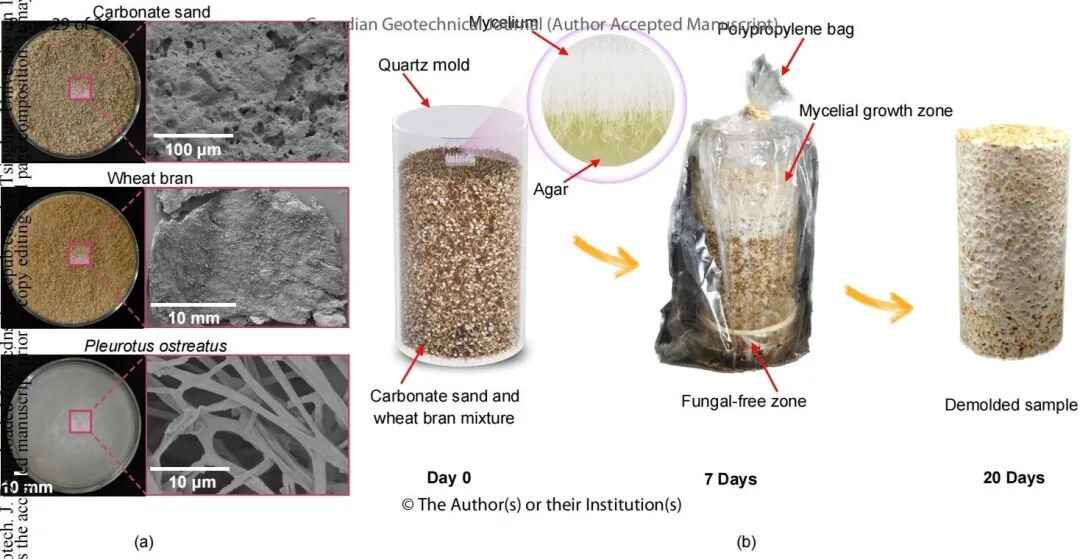
Fig.1 Materials and preparation method:(a) materials used;(b) specimen preparation procedure.
Fig.2 Environmental triaxial testing system:(a) overall view of the apparatus; (b) pressure chamber;(c) thermal insulation cover;(d) internal configuration of the pressure chamber; (e) fungus-treated sand specimen.
Fig.3 Undrained shear behaviour of treated and untreated sand: (a) Effect of wheat bran content (Ws = 2.5 %–10 %) at 50 °C, σ₃, = 50 kPa; (b) Effect of fungal treatment (treated vs untreated) at 20 °C, σ₃, = 50–200 kPa; (c) Effect of temperature (20 °C–50 °C) at Ws = 5 %, σ₃, = 50 kPa.
Fig.4 Stress path behaviour under undrained conditions:(a) Treated and untreated sand at 20 °C; (b) Fungus-treated sand at different temperatures.
Fig.5 Strength parameters of fungus-treated sand for: (a) peak deviatoric stress; (b) elastic modulus.
Fig.6 Effect of wheat bran content on (a) cohesion; (b) internal friction angle.
Fig.7 Morphological characterisation of fungus-treated sand: (a) SEM images before and after triaxial shear test; (b) relative frequency of hyphae diameter; (c) surface porosity with various temperatures; (d) pore circularity with various temperatures.
Fig.8 (a) Relationship between cohesion and internal friction angle; (b) Relationship between critical state stress ratio and temperature increment.